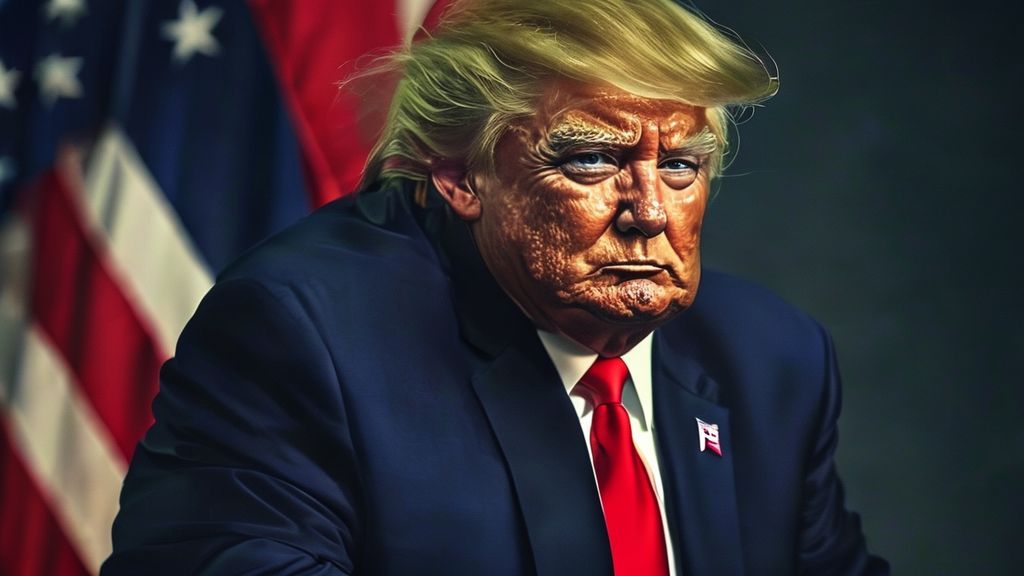
Strategic Shift: Trump Withdraws Tariffs on NATO Nations After Greenland-Arctic Accord
In a notable pivot in international trade policy, then-President Donald Trump announced the cessation of impending 10% tariffs on goods originating from NATO member states. This significant reversal, which averted duties initially slated for implementation on February 1st, reportedly stemmed from a constructive “framework deal” achieved during critical discussions concerning Greenland and the broader Arctic region.
The Impending Tariff Threat
The proposed 10% tariffs had introduced a layer of economic uncertainty and potential friction within the transatlantic alliance. Scheduled to take effect on the first day of February, these duties threatened to impact various sectors across NATO nations, raising concerns among allies about the stability of trade relations.
Many observers and allied governments had voiced apprehension that such unilateral trade measures could undermine the economic solidarity essential for the North Atlantic Treaty Organization, creating divisions at a time when geopolitical challenges demanded unified international cooperation.
A Framework for Resolution: Greenland and Arctic Discussions
The turning point arrived with the conclusion of what the U.S. administration characterized as a “framework deal.” While specific details of the agreement remain undisclosed, the core of the breakthrough was linked directly to high-level talks focused on Greenland and the strategic Arctic region.
The growing geopolitical significance of Greenland and the Arctic has increasingly positioned them at the forefront of international discourse. Key aspects driving this focus include:
* **Geostrategic Importance:** The melting Arctic ice cap is opening new shipping routes and access to vast natural resources, transforming the region into a critical zone for international competition and cooperation.
* **Resource Potential:** The Arctic is believed to hold substantial untapped reserves of oil, natural gas, and rare earth minerals, attracting considerable global interest in exploration and extraction.
* **Climate Change Research:** Greenland, with its massive ice sheet, is a crucial barometer for global climate change, making it a focal point for environmental science and diplomatic engagement on climate policy.
Engagement on these multifaceted and high-stakes topics evidently provided the necessary diplomatic impetus for the U.S. administration to reconsider and ultimately withdraw its planned tariff imposition.
Implications for Transatlantic Relations and Global Trade
The decision to revoke the tariffs was met with widespread relief and positive reception from NATO allies, many of whom had vociferously opposed the proposed duties. This strategic move is expected
About The Author