MoneyGram Joins Solana as Validator in Bold Stablecoin Payment Push
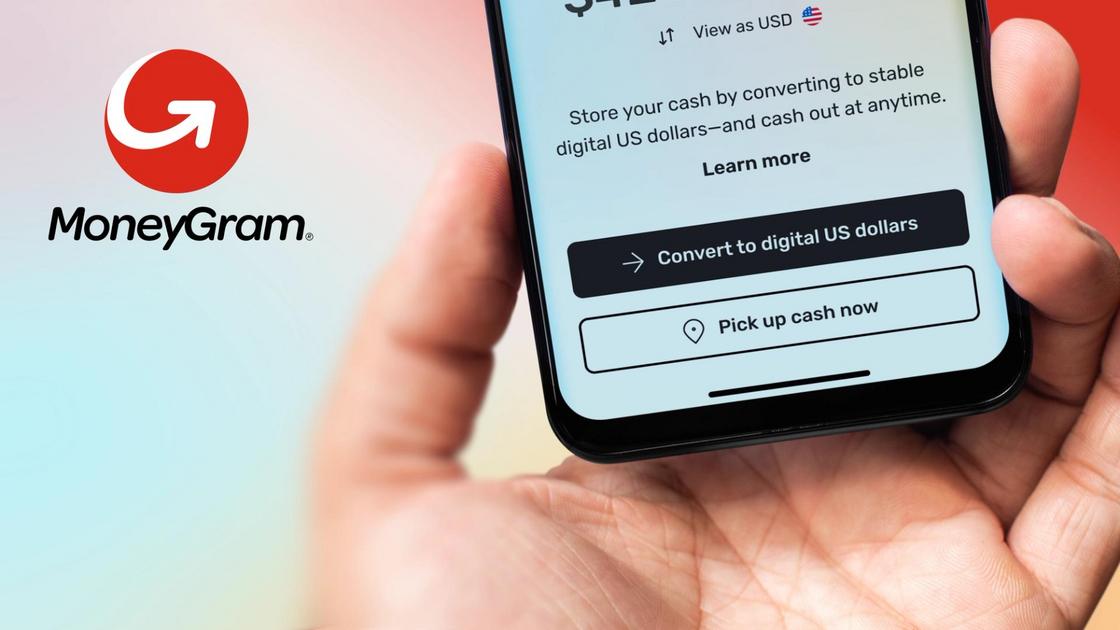
Global payments giant MoneyGram is deepening its commitment to blockchain infrastructure by becoming a validator on the Solana network — a move that signals growing institutional confidence in decentralized payment rails. This strategic step comes as the company accelerates its stablecoin-powered remittance and payment services, positioning itself at the intersection of traditional finance and Web3.
MoneyGram’s Validator Role: What It Means for Solana
By joining the Solana network as a validator, MoneyGram is taking on a critical role in securing and processing transactions on one of the fastest Layer 1 blockchains in the crypto ecosystem. Validators are the backbone of proof-of-stake networks — they verify transactions, propose new blocks, and help maintain the integrity of the entire chain.
For Solana, having a household name like MoneyGram running validator infrastructure is a significant endorsement. It adds institutional-grade reliability to the network’s validator set and demonstrates that legacy financial companies are no longer content to simply experiment with blockchain from the sidelines. They want to be embedded in the infrastructure itself.
- Network security: MoneyGram’s participation adds another reputable node operator, strengthening Solana’s decentralization profile.
- Institutional signal: This move may encourage other TradFi companies to explore validator roles on public blockchains.
- Operational alignment: Running a validator gives MoneyGram direct, low-latency access to the network it increasingly relies on for payment settlement.
The Stablecoin Payment Strategy Behind the Move
MoneyGram’s validator play doesn’t exist in isolation — it’s part of a broader strategic pivot toward stablecoin-powered payments. The company has been building out infrastructure to leverage stablecoins like USDC for cross-border remittances, enabling faster and cheaper settlement compared to traditional correspondent banking rails.
Solana’s high throughput and sub-second finality make it an ideal blockchain for payment use cases. With transaction costs that are a fraction of a cent and the ability to handle thousands of transactions per second, the network offers the kind of performance profile that a high-volume payment processor like MoneyGram demands.
By operating its own validator node, MoneyGram gains deeper integration with the Solana ecosystem. This could translate into more efficient transaction routing, better uptime guarantees for its own services, and a direct stake in the network’s governance and economic incentives through staking rewards.
Why This Matters for the Broader Crypto Industry
MoneyGram’s move is part of a wider trend of traditional financial institutions moving beyond pilot programs and into production-level blockchain deployments. The convergence of stablecoins, high-performance blockchains, and legacy payment networks is reshaping how value moves across borders.
- Stablecoin adoption is accelerating: With regulatory clarity improving in key markets, stablecoins are becoming the de facto bridge between fiat and crypto economies.
- Institutional validators are growing: Companies like MoneyGram joining as validators signals that enterprise players see long-term value in blockchain infrastructure participation, not just token speculation.
- Solana’s DeFi and payments ecosystem expands: Each major institutional partner adds credibility and use-case diversity to Solana’s network, making it more competitive against Ethereum and other smart contract platforms.
- Remittance disruption: The $800+ billion global remittance market stands to be significantly disrupted by stablecoin-based settlement, offering lower fees and near-instant transfers for underserved populations.
This isn’t just a crypto story — it’s a fintech convergence story. The lines between traditional payment processors and blockchain-native infrastructure are blurring rapidly, and MoneyGram is positioning itself on the right side of that shift.
What Comes Next for MoneyGram and Solana
Looking ahead, MoneyGram’s deepened relationship with Solana could open the door to several developments. We could see the company launch consumer-facing products that allow users to send stablecoin remittances directly through MoneyGram’s existing retail network — bridging the gap between crypto rails and physical cash-out points in developing markets.
There’s also the potential for MoneyGram to participate in Solana’s governance processes, lending an institutional voice to protocol-level decisions. As the network evolves with upgrades like Firedancer — a new validator client being developed by Jump Crypto — having operators like MoneyGram in the ecosystem will be critical for stress-testing enterprise-grade performance.
For Solana, this partnership reinforces its narrative as the go-to blockchain for payments and real-world financial applications. While Ethereum continues to dominate in DeFi and NFTs, Solana is carving out a distinct niche in high-speed, low-cost transactional use cases — exactly where companies like MoneyGram need to operate.
Conclusion
MoneyGram’s decision to become a Solana validator marks a pivotal moment in the maturation of blockchain-based payments. It’s a clear signal that legacy financial institutions are moving from exploration to execution, embedding themselves directly into decentralized infrastructure to power the next generation of global money movement.
Whether you’re a crypto investor, a Solana ecosystem participant, or simply someone watching the evolution of digital payments, this development deserves your attention. Keep a close eye on how the stablecoin payments landscape evolves — and consider how these institutional moves might impact the tokens, protocols, and networks in your own portfolio. Stay informed, stay ahead, and as always, DYOR.
Original reporting by Krisztian Sandor via
CoinDesk
Disclaimer: This article is for informational purposes only and does not constitute financial or investment advice. Cryptocurrency investments carry significant risk. Always do your own research (DYOR) before making any investment decisions. We are not responsible for any financial losses incurred.
About The Author