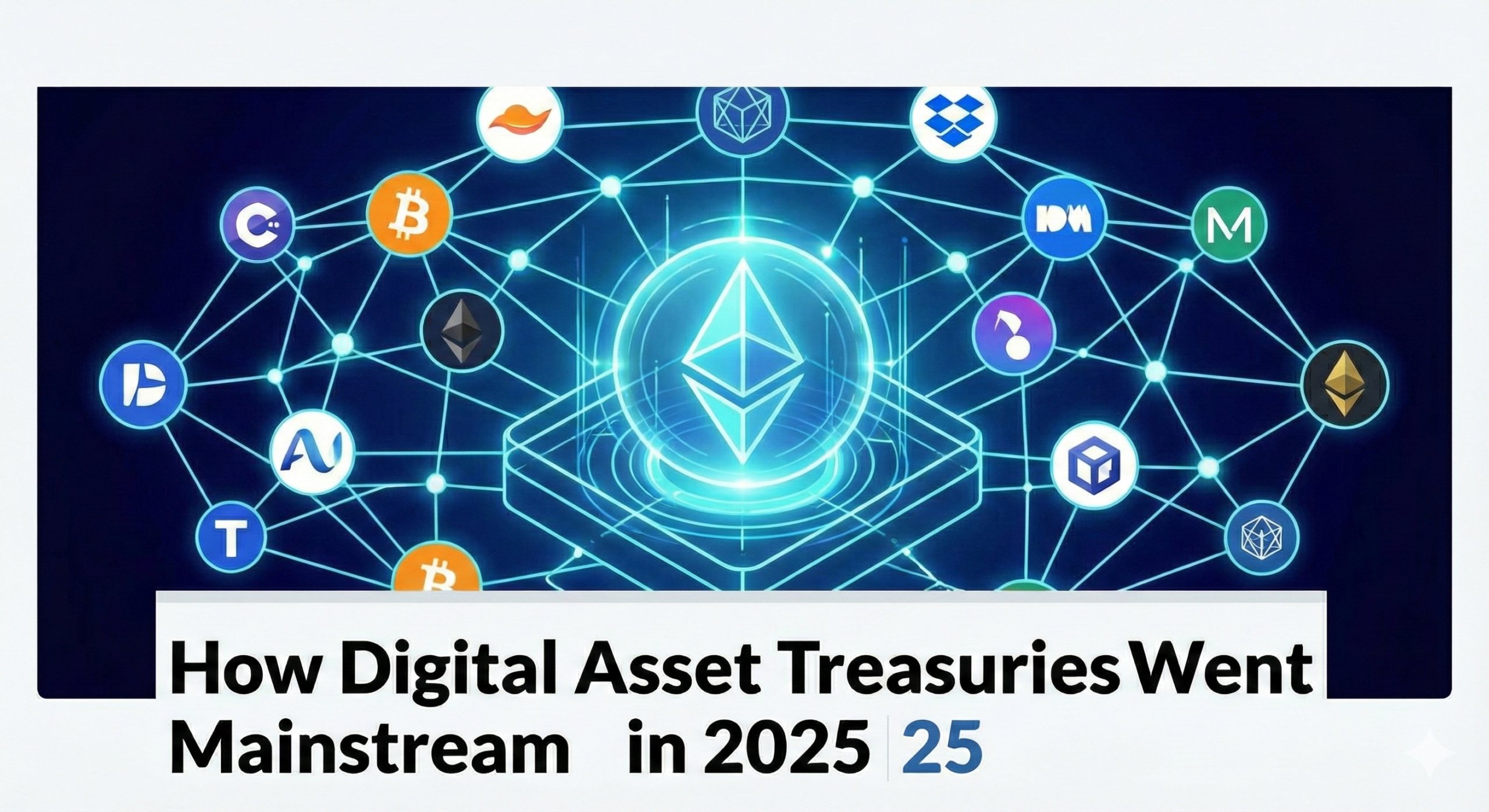
The Paradigm Shift: Digital Asset Treasuries Enter the Mainstream in 2025
The year 2025 marked a definitive turning point in corporate finance, as digital assets transitioned from speculative investments to integral components of public company treasuries. This significant evolution saw cryptocurrencies, once considered niche, firmly establish themselves as core treasury tools, fundamentally reshaping traditional asset management strategies.
Expanding Beyond Bitcoin: A Diversified Digital Portfolio
While Bitcoin initially paved the way for corporate crypto adoption, 2025 witnessed a pronounced diversification in digital asset holdings. Companies broadened their scope, integrating a wider array of blockchain-based assets into their financial frameworks.
- Ethereum (ETH): Recognized for its smart contract capabilities and burgeoning decentralized finance (DeFi) ecosystem, Ethereum became a strategic holding for many enterprises.
- Solana (SOL): Valued for its high transaction throughput and scalability, Solana emerged as another favored asset, particularly for companies exploring Web3 integrations.
- Altcoins and Stablecoins: Beyond the major players, select altcoins offering unique utility or yield opportunities, alongside various stablecoins for liquidity management, found their place in corporate treasuries.
This expansion signaled a maturing understanding of the diverse functionalities and potential value propositions inherent in the broader digital asset landscape.
Strategic Imperatives: Why Companies Embraced Crypto
The widespread adoption of digital assets by public companies was not a mere trend but a calculated strategic move driven by several compelling factors. These assets were increasingly viewed as essential for modern treasury management.
- Inflation Hedging: In an environment of persistent economic uncertainty, digital assets, particularly those with capped supplies, were perceived as a potential hedge against fiat currency devaluation.
- Capital Appreciation Potential: The inherent volatility, while a risk, also presented opportunities for significant capital growth, attracting treasurers seeking enhanced returns on idle capital.
- Access to New Financial Ecosystems: Holding digital assets opened doors to participation in decentralized finance (DeFi) protocols, offering avenues for yield generation, lending, and borrowing that were inaccessible through traditional finance.
- Technological Alignment: For many tech-forward companies, integrating digital assets into their balance sheets was a statement of commitment to innovation and an alignment with the future of financial technology.
- Enhanced Liquidity and Global Reach: The 24/7 nature and global accessibility of digital markets provided new dimensions for liquidity management and cross-border transactions.
Navigating the New Frontier: Emerging Risks and Challenges
While the mainstream embrace of digital asset treasuries unlocked unprecedented opportunities, it simultaneously exposed companies to a complex array of new risks. Managing these challenges became paramount for sustainable adoption.
“The integration of digital assets into corporate treasuries demands a sophisticated understanding of market dynamics, regulatory landscapes, and robust cybersecurity protocols. The rewards are significant, but so are the responsibilities.”
Key risks that emerged and required meticulous management included:
- Market Volatility: The inherent price fluctuations of cryptocurrencies posed significant challenges for financial reporting, valuation, and risk exposure management.
- Regulatory Uncertainty: The rapidly evolving and often fragmented global regulatory environment created complexities regarding compliance, taxation, and legal frameworks.
- Cybersecurity Threats: The digital nature of these assets made them susceptible to sophisticated hacking attempts, necessitating advanced custody solutions and robust internal security protocols.
- Accounting and Reporting Complexity: Valuing and reporting digital assets on balance sheets introduced novel accounting challenges, often requiring specialized expertise.
- Operational Infrastructure: Companies needed to invest significantly in new technological infrastructure, internal expertise, and third-party partnerships to manage these assets effectively.
Conclusion: A New Era of Corporate Finance
The year 2025 undeniably marked a pivotal moment, solidifying digital asset treasuries as a mainstream component of corporate finance. Public companies moved beyond exploratory phases, integrating a diverse range of digital assets into their core strategies for diversification, growth, and technological alignment. This revolutionary shift, however, was not without its complexities, demanding rigorous risk management, continuous adaptation to regulatory changes, and a commitment to robust operational frameworks. The journey of digital assets in corporate treasuries had only just begun, setting a new precedent for financial innovation and strategic asset management in the years to come.
About The Author