The Evolving Landscape of Cryptocurrency Security: Beyond Digital Threats
The world of cryptocurrency security is undergoing a significant paradigm shift. While digital vulnerabilities have historically dominated discussions, a new and more visceral threat is emerging: physical coercion. This unsettling development is forcing a critical re-evaluation of established security practices, particularly concerning self-custody of digital assets.
The Alarming Rise of “Wrench Attacks”
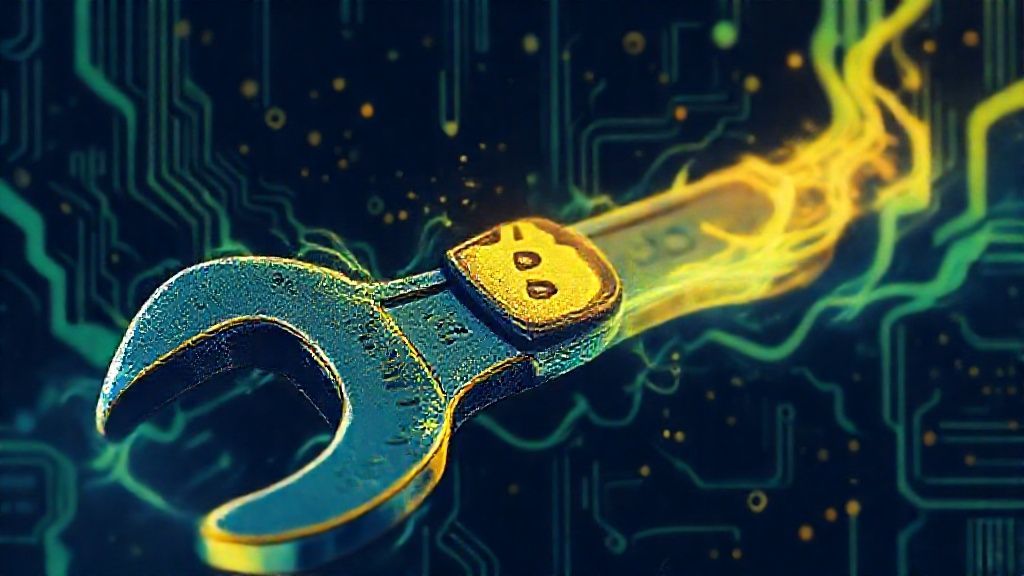
Recent analyses, notably from prominent security researcher Jameson Lopp, highlight a disturbing trend. Data indicates a projected surge in physical assaults targeting cryptocurrency holders by 2025. These incidents, often termed “wrench attacks,” refer to scenarios where individuals are physically compelled to surrender access to their digital wallets or private keys.
This method of extraction bypasses sophisticated cryptographic defenses, directly exploiting the human element. It underscores a stark reality: even the most robust digital encryption is powerless against physical intimidation.
Self-Custody: A Reckoning with Physical Risk
The core philosophy of cryptocurrency often champions self-custody – empowering individuals with complete control over their digital wealth, free from reliance on third-party custodians. This principle, while offering unparalleled autonomy and mitigating exchange-related risks, is now being challenged by the escalating threat of physical attacks.
The fundamental question at the heart of this debate is profound:
Is the inherent advantage of self-custody, with its promise of absolute control, genuinely worth the escalating physical risk it appears to entail?
For many, the trade-off between digital sovereignty and personal safety is becoming increasingly complex.
Innovating for a Hybrid Threat Landscape
The emergence of physical threats necessitates a rethinking of security strategies beyond traditional software and hardware solutions. The industry is now grappling with the need for innovative approaches that integrate physical safety protocols with digital asset protection. This includes exploring concepts like:
- Panic Wallets: Designing systems that allow users to quickly transfer a decoy amount or trigger an alert under duress.
- Geographic Dispersion: Storing recovery phrases or key components in physically separate, secure locations.
- Enhanced Social Engineering Awareness: Training users to recognize and resist attempts at physical coercion.
The debate extends to how these physical security measures can be effectively implemented without compromising the very principles of decentralization and user autonomy that define the crypto space.
Conclusion: Fortifying the Human Element in Crypto Security
The increasing prevalence of physical attacks against cryptocurrency holders marks a critical juncture in the evolution of digital asset security. It serves as a potent reminder that the security chain is only as strong as its weakest link, which, in these scenarios, can often be the human user.
Addressing this challenge requires a holistic and adaptive approach. The cryptocurrency community must move beyond purely digital defenses to cultivate a comprehensive security posture that acknowledges and actively mitigates physical threats. This ongoing discussion will undoubtedly shape the future of self-custody and personal safety within the digital economy.
About The Author